If you want to digitize old slides and negatives on a Mac, the right scanner can save time and preserve detail. The best models balance image quality, software support, and an easy workflow.
This roundup focuses on slide scanners for Mac that are practical for home archives, family photos, and occasional batch scanning without unnecessary complexity.
Best 10 Slide Scanners for Mac Picks for 2026
High-Resolution Mac Pick

- 7200 dpi scanning for 35mm film and mounted slides
- Infrared dust and scratch removal included
- Supports Mac OS 10.7 to 14.x
Best For: Mac users who want high-detail 35mm slide scans with defect removal
Touchscreen Convenience Pick
HP Film & Slide Scanner HPFS500
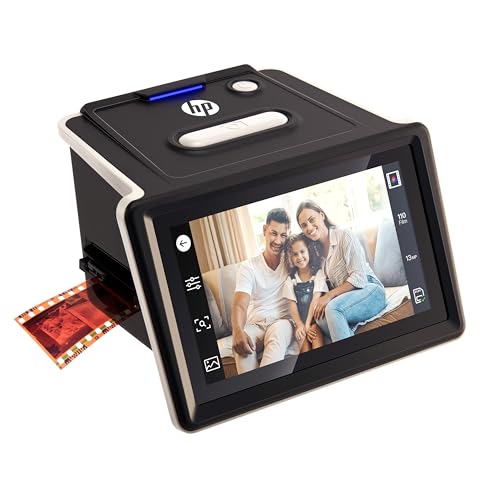
- 5-inch touchscreen for preview and editing
- Saves directly to SD card without a computer
- Works with macOS 10.15 or later
Best For: Mac users who want a simple standalone scanner for common film formats
Pro Detail Pick

- 7200 dpi output for 35mm negatives and slides
- Includes SilverFast SE Plus software bundle
- Supports Mac OS 10.8.x through 13.x
Best For: Mac users who want a detailed 35mm scanner with bundled software
Easy Standalone Pick

- Scans 35mm, 110, 126, and Super 8 film
- 24MP output with 5-inch LCD display
- No computer, software, or driver needed
Best For: Users who want a standalone multi-format scanner rather than a Mac-connected setup
Dedicated Detail Scanner

- 7200 dpi scanning with up to 3.91 Dmax
- Infrared dust and scratch removal
- Includes SilverFast and QuickScan Plus
Best For: Mac users digitizing 35mm slides and negatives with maximum detail
Best for Everyday Use
HP FilmScan 7" Slide Digitizer

- 7-inch touch LCD for preview and editing
- 13MP sensor for slides and negatives
- USB and HDMI connectivity
Best For: Users who want simple, on-device slide scanning
All-in-One Film Scanner Choice
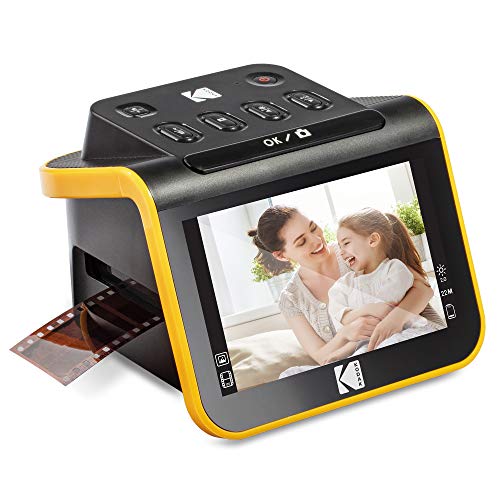
- 22MP digitizing with 5-inch LCD
- Supports 135, 110, 126mm and 50mm slides
- Quick-feed tray and SD-card saving
Best For: Users with mixed old-slide collections who want simple, fast scanning
Standalone slide-and-photo scanner
ClearClick QuickConvert 2.0 Photo, Slide, and Negative Scanner
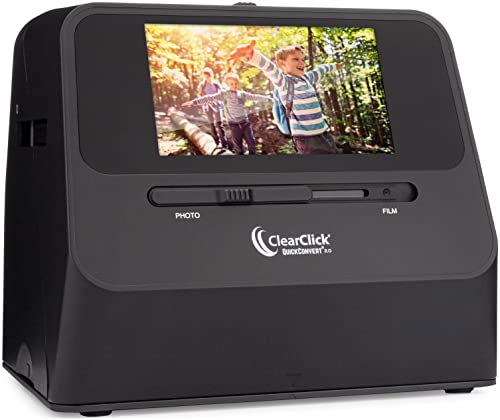
- Saves scans directly to SD card
- Built-in battery for cord-free use
- Supports slides, negatives, and small photos
Best For: People who want simple standalone scanning without a computer
Tray-feed film scanner
KODAK Slide N Scan Max Film Scanner

- Tray feed reduces repositioning
- Saves directly to SD/SDHC cards
- Supports slides and multiple negative formats
Best For: People who want a simple tray-fed scanner for home archiving
Compact Mac-compatible scanner
DIGITNOW! 135 Film Negative Scanner

- Lists Mac OS compatibility
- Saves directly to SD card
- Includes adjustable rapid slide feeder
Best For: People who want a compact, basic scanner with Mac support
High-Resolution Mac Pick – Plustek OpticFilm 8200i SE
If you want slide scanners for mac with a strong focus on image quality, the Plustek OpticFilm 8200i SE is built for detailed 35mm film and mounted slide digitizing. Its 7200 dpi resolution, 48-bit output, and infrared dust and scratch removal make it a solid choice when preserving older slides matters more than speed.
Best For: Mac users who want high-resolution 35mm slide and negative scans with built-in defect removal.
Pros:
- 7200 x 7200 dpi resolution for 35mm negatives and mounted slides
- Integrated infrared channel helps detect dust and scratches
- 48-bit input with up to 3.6 dynamic range
- Supports Mac OS 10.7 to 14.x with downloadable driver
Cons:
- Limited to 35mm film and mounted slides
- Requires software and driver setup from Plustek
This is the most detail-oriented option in the group, especially if you value restoration tools and high-resolution output over convenience. It fits Mac workflows well, but it is best for users willing to work a little more for better scan quality.
Touchscreen Convenience Pick – HP Film & Slide Scanner HPFS500
For buyers comparing slide scanners for mac and looking for an easy standalone workflow, the HPFS500 keeps things simple with a 5-inch touchscreen and USB-C power. It scans 135, 126, and 110 film and slides, saves directly to SD card, and can work without a computer for a more straightforward digitizing setup.
Best For: Mac owners who want a simple, computer-free film and slide scanner with a touchscreen.
Pros:
- 5-inch all-angle LCD touch screen for previewing and editing
- Supports 135, 126, and 110 film strips and positive slides
- Saves scans directly to SD card
- USB-C powered and works with macOS 10.15 or later
Cons:
- Uses 13MP CMOS sensor rather than higher-resolution film-scanner specs
- Only lists macOS 10.15 or later as supported
This model is appealing if ease of use matters more than maximum resolution. It is a practical pick for quick home digitizing, especially when you want the scanner itself to do most of the work.
Pro Detail Pick – Plustek OpticFilm 8100
If you are shopping for slide scanners for mac and want a more traditional film-scanning setup, the Plustek OpticFilm 8100 focuses on 35mm negatives and slides with 7200 dpi output. It also includes SilverFast SE Plus software and support for Mac OS 10.8.x through 13.x, making it a strong fit for users who want detailed scans and software control.
Best For: Mac users who want a high-resolution 35mm scanner with bundled scanning software.
Pros:
- 7200 dpi and 48-bit output for detailed 35mm scans
- Supports both negatives and slides
- Includes Plustek QuickScan and SilverFast SE Plus software
- Compatible with Mac OS 10.8.x through 13.x
Cons:
- Limited to 35mm film and slides
- Driver download is required from the Plustek website
This is a strong middle ground for serious home archiving. It offers the resolution and software bundle many Mac users want, while staying focused on a narrow 35mm workflow.
Easy Standalone Pick – Magnasonic FS71
For shoppers comparing slide scanners for mac but wanting a no-fuss, computer-free option, the Magnasonic FS71 keeps the process simple. It converts 35mm, 110, 126, and Super 8 film plus multiple slide formats to 24MP JPEG files, with a 5-inch display and direct SD card saving.
Best For: Users who want a standalone scanner for multiple film and slide formats without using a computer.
Pros:
- Scans 35mm, 110, 126, and Super 8 film plus 135/126/110 slides
- 24MP output with a 5-inch LCD for viewing scans
- Saves directly to SD card
- No software or driver installation required
Cons:
- Minimum system requirements list Windows 7, not macOS
- Resolution is lower than dedicated high-end film scanners
This is a practical pick for fast conversion and broad format support. It makes the most sense if you prefer a self-contained scanner and do not need a Mac-connected workflow.
Dedicated Detail Scanner – OpticFilm 8300i SE for Mac
If you want slide scanners for mac that focus on image quality first, the Plustek OpticFilm 8300i SE is built for careful 35mm slide and negative digitizing. It pairs high-resolution scanning with infrared dust and scratch removal, making it a strong choice for preserving old film before it degrades further.
Best For: Mac users who want a dedicated 35mm slide scanner with strong detail and cleanup tools.
Pros:
- Up to 7200 x 7200 dpi resolution for detailed scans.
- Built-in infrared channel with SilverFast iSRD for dust and scratch removal.
- Includes SilverFast 9 SE Plus and Plustek QuickScan Plus software.
- Supports Mac OS 10.13~12.X and Windows systems.
Cons:
- Designed for 35mm film and slides, not broader photo-scanning use.
- Relies on supplied software workflow rather than a simple one-button device.
For Mac owners digitizing fragile slide collections, this model is a quality-first option with serious scan resolution and restoration tools. It is best suited to users who value preservation and editing control over convenience features.
Best for Everyday Use – HP FilmScan 7" Slide Digitizer
Among slide scanners for mac, this HP FilmScan stands out for users who want a simple device-led workflow. Its 7-inch touch LCD, built-in editing tools, and direct USB transfer make it easy to preview and manage slides without relying on complex software.
Best For: Users who want an easy-to-use slide scanner with on-device preview and editing.
Pros:
- 7-inch color LCD touch display for previewing and editing on the device.
- 13MP CMOS sensor for converting negatives and slides into digital files.
- Quick-feed loading tray supports 135, 126, and 110 formats with a 50mm adapter.
- USB and HDMI outputs offer flexible transfer and display options.
Cons:
- Resolution is listed at 1200 dpi, which is lower than dedicated film scanners.
- Best suited to supported film formats rather than a wide range of media.
This is a practical pick if you want a straightforward digitizing workflow and like making quick adjustments directly on the scanner. It favors ease of use and convenience over advanced scanning depth.
All-in-One Film Scanner Choice – KODAK Slide N Scan 22MP
If you are comparing slide scanners for mac and want an easy desktop-friendly unit, the KODAK Slide N Scan is built around quick loading, simple editing, and direct saving to an SD card. It supports common film and slide formats, and its HDMI and USB connections make it easy to move scans to a computer or display them elsewhere.
Best For: People who want a simple scanner for mixed slide and negative collections with easy previewing.
Pros:
- 22MP scanner with a 5-inch LCD and gallery mode.
- Supports 135, 110, 126mm films and 50mm slides with included holders.
- Quick-feed tray helps speed up scanning.
- USB and HDMI connections plus SD card saving for flexible workflow.
Cons:
- Minimum system requirements list Windows 7, so Mac support is not specified in the notes.
- SD/SDHC card up to 32GB is required and not included.
This model is strongest as a user-friendly, all-in-one scanning station for old film archives. It is a good fit if you prioritize speed and simplicity over a software-heavy desktop workflow.
Standalone slide-and-photo scanner – ClearClick QuickConvert 2.0 Photo, Slide, and Negative Scanner
If you want slide scanners for Mac-style file saving without relying on a desktop workflow, the ClearClick QuickConvert 2.0 keeps things simple with standalone scanning to SD card and no computer required. It handles 35mm slides, negatives, and 4×6 photos or smaller one at a time, which makes it a practical choice for steady at-home digitizing.
Best For: Users who want a straightforward scanner for slides, negatives, and small photos with fast standalone operation.
Pros:
- No computer or drivers required; scans directly to JPEG files on an SD memory card
- Built-in rechargeable battery allows cord-free scanning
- 5-inch preview LCD makes it easy to check each image as you go
- Supports 35mm slides plus 110 and 126 film formats
Cons:
- Scans one item at a time, so large collections will take time
- Does not support 5×7 photos
- Best suited to 4×6 photos or smaller
Overall, this is a good pick if your priority is convenience and independent operation rather than bulk speed. The QuickConvert 2.0 is geared toward easy home conversion, especially for users who want a simple way to save old slides and negatives as digital files.
Tray-feed film scanner – KODAK Slide N Scan Max Film Scanner
Among slide scanners for Mac users who prefer a self-contained device, the KODAK Slide N Scan Max is built around fast, direct-to-card digitizing. Its smooth-moving tray helps reduce constant repositioning, while the 7-inch class unit supports slides plus 135mm, 110mm, and 126mm film formats for broader home archiving.
Best For: Users who want a larger, easy-to-use film scanner with tray-fed convenience and direct SD saving.
Pros:
- Smooth-moving tray helps streamline scanning
- Saves directly to SD/SDHC cards up to 32GB
- Supports slides and both color or black-and-white negatives
- 13MP sensor with 22MP interpolation for detailed output
Cons:
- Uses a computer-free workflow, so it is not aimed at editing-heavy users
- Maximum SD card support is limited to 32GB
- Still requires handling film in a tray-based process
This model makes sense if you want a fast, guided way to convert a mixed collection of film formats without much setup. It focuses on easy capture and direct saving, which is useful for practical bulk digitizing at home.
Compact Mac-compatible scanner – DIGITNOW! 135 Film Negative Scanner
If you need slide scanners for Mac compatibility in a compact, budget-friendly form, the DIGITNOW! 135 Film Negative Scanner is a basic standalone option with Mac OS support listed in its notes. It converts 35mm film and slides to JPEG on an SD card, and the included slide feeder helps keep the process moving without complex software.
Best For: Users who want a small standalone scanner with Mac OS support and direct SD card saving.
Pros:
- Supports Mac OS along with Windows systems
- Stand-alone scanning saves JPEG files to SD card
- Includes adjustable rapid slide feeder
- Can connect by USB and offers TV-out display support
Cons:
- Lower-resolution output than higher-end film scanners
- Uses a small 2.4-inch LCD screen
- Best suited to 35mm film and slides rather than larger formats
This is a sensible pick if you want an uncomplicated scanner that fits basic digitizing needs and explicitly lists Mac OS compatibility. It is not the most advanced model here, but it covers the essentials for converting old slides and negatives into shareable files.
How We Picked the Best Slide Scanners for Mac
We looked for Slide Scanners for Mac that offer dependable compatibility, solid resolution, and a workflow that makes sense for real users. Priority went to models with clear Mac support, useful scan tools such as dust and scratch reduction, and controls that reduce friction when scanning large photo collections.
Quick Comparison
Some scanners are best for desktop-based editing and higher-quality file output, while others are designed for fast standalone digitizing with an onboard screen and SD card save options. If you want the most control over image adjustments, software-assisted models are usually the better fit. If convenience matters most, a standalone scanner can be quicker for one-off jobs and mixed-format archives.
Key Buying Factors for Slide Scanners for Mac
Resolution and Output Quality
Higher optical resolution is useful for preserving fine detail in 35mm slides and negatives, especially if you may crop, restore, or reprint images later. Also look at bit depth and output format, since these affect tonal range and editing flexibility.
Mac Compatibility and Software
Not every scanner advertised for film scanning is equally friendly to macOS. Check whether the included software supports your version of Mac and whether it is stable for your preferred connection type. For Slide Scanners for Mac, software quality can matter as much as hardware specs.
Dust and Scratch Handling
Infrared dust and scratch removal can reduce cleanup work, particularly on older slides. This is a major time-saver if you are digitizing boxes of family film rather than just a few treasured frames.
Speed, Feeding Style, and Formats
Batch scanning speed matters if you have many slides to process. Some models support only 35mm media, while others handle multiple film and slide sizes. Make sure the scanner matches the formats in your archive before buying.
Who Should Buy Which Slide Scanners for Mac?
If you want the best overall image quality and plan to edit files on a Mac, choose a higher-end desktop scanner with strong resolution and cleanup tools. If you want speed and simplicity, a standalone scanner with a built-in display is a better choice. For mixed collections, pick a model that supports several film and slide formats so you do not outgrow it quickly. In short, the best Slide Scanners for Mac are the ones that fit your archive size, your patience level, and how much editing you want to do afterward.
